For Portland homeowners, a home’s exterior has to do more than make a strong first impression. It also needs to stand up to frequent rain, moisture, changing temperatures, and the wear that comes with the Pacific Northwest climate. Over time, siding, trim, lighting, walkways, and other exterior features can begin to look faded, stained, or weathered.
Improving curb appeal does not require a complete remodel. A few practical, well-planned exterior upgrades can make your Portland home look cleaner, newer, and better maintained while also helping protect it from the elements. Whether you are preparing to sell or simply want to enjoy a more attractive property, targeted exterior improvements can refresh the entire look of your home.
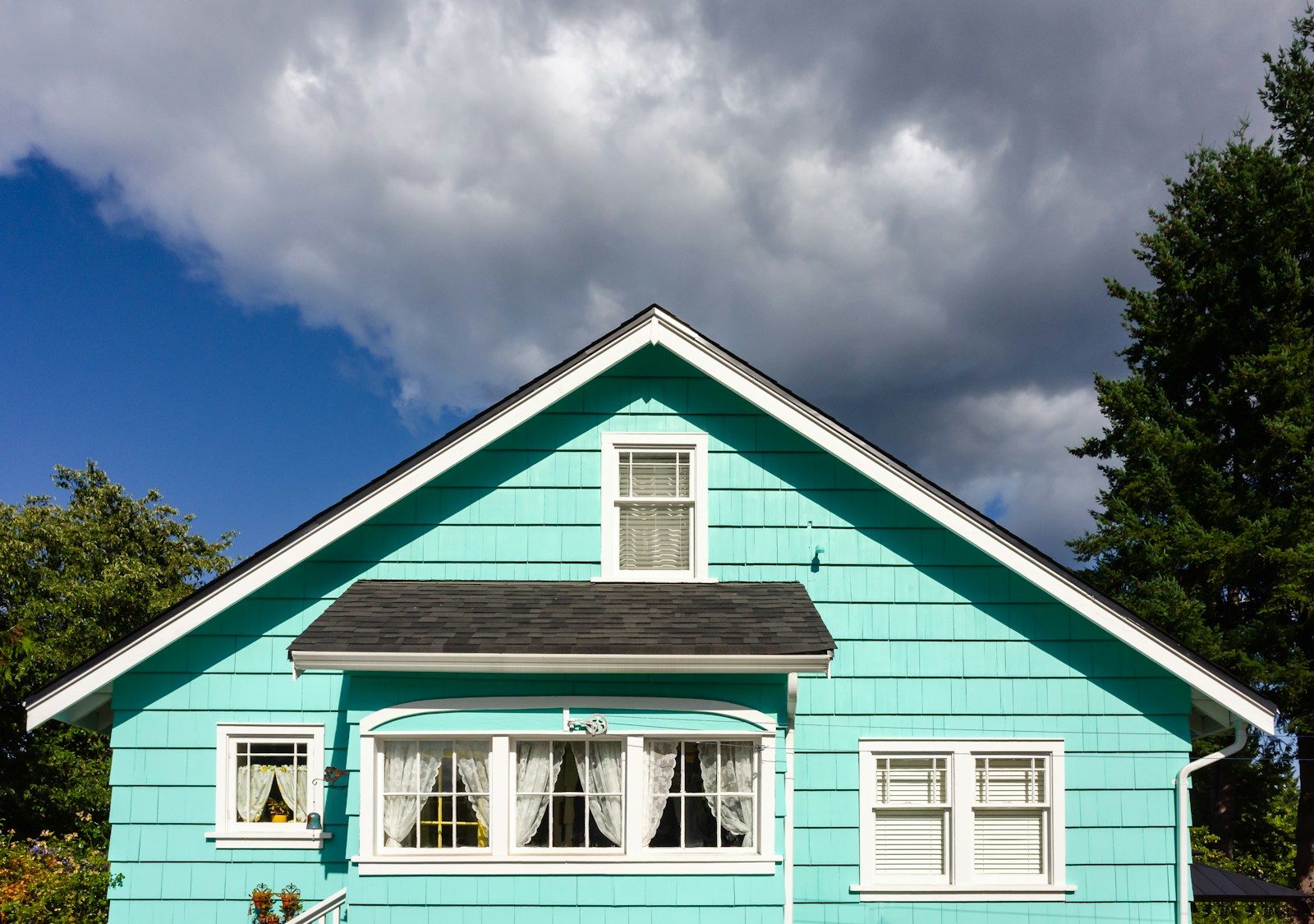
Photo by Greg Rosenke on Unsplash
Why Siding Matters
Siding is one of the most important parts of a home’s exterior because it does more than define the look. It protects the structure from rain, wind, sunlight, and moisture intrusion. When siding is in good shape, it also helps support indoor comfort and can reduce long-term maintenance demands.
Appearance matters just as much. Faded, cracked, dented, or patchy siding can make a house seem older and less cared for than it really is. Updated, clean siding improves the look of everything around it, including trim, windows, porches, and landscaping.
If you are not sure which material, color, or profile fits your home, budget, and climate, professional guidance can make the process easier. A reputable Portland siding company can help homeowners compare options and choose siding that offers a strong mix of durability, appearance, and long-term value.
First Impressions Count
Most people do not judge a home by studying one detail at a time. They form a quick overall opinion. Does the house feel welcoming, bright, and well maintained, or does it seem dull, outdated, and neglected? That instant reaction often carries more weight than homeowners realize.
Small issues can strongly affect that impression. Faded color can make the entire home look tired. Cracks, warping, and mismatched repairs can stand out from the street. When several minor problems appear together, the home may seem pieced together instead of polished.
This matters even if you are not planning to sell. You and your family see the exterior every day, and so do visitors and neighbors. A neat, well-kept outside can create a sense of pride and calm before you even reach the front door. That alone makes curb appeal worth improving.
Easy Upgrades That Help
You do not need a complete renovation to make a visible difference. Some of the best curb appeal upgrades are simple, affordable, and easy to prioritize.
Fresh trim paint is one of the fastest ways to sharpen the appearance of a home. Clean, crisp trim frames the exterior and can even make older siding look more intentional while you plan larger repairs or replacement. Replacing house numbers is another small update with a big impact. If the numbers are outdated, hard to read, or poorly placed, new ones can instantly improve the front entry.
Porch lighting also deserves attention. A modern fixture can add style while improving visibility and safety, making the entrance feel more welcoming. At ground level, pressure washing walkways, trimming overgrown shrubs, pulling weeds, and adding fresh mulch can transform the yard without a large expense.
These smaller upgrades are especially effective when paired with siding improvements because they all support the same goal: making the exterior feel deliberate, maintained, and pleasant to come home to.
Signs It Needs Attention
Some siding problems are obvious, while others are easy to overlook. Warping is a common warning sign. If boards or panels bulge, bend, or pull away from the house, moisture, age, or installation problems may be involved. Cracks, holes, and soft spots should also be taken seriously, even if they seem minor.
You may also notice clues indoors. Peeling interior paint, damp odors, or cold drafts near exterior walls can point to outside problems. Siding may not be the only cause, but these signs should not be ignored.
Repeated maintenance is another clue. If you are constantly repainting, patching, or cleaning the same trouble spots, the home may need a more permanent solution. Homeowners do not need to be experts to recognize when a problem keeps coming back. In many cases, that is the house signaling that temporary fixes are no longer enough.
Choosing A Practical Style
Selecting siding can feel overwhelming because there are so many materials, textures, colors, and profiles to choose from. A practical place to start is with the architecture of the home. A modern house, cottage, and ranch typically look best with different siding styles, so the goal is to choose something that fits the home’s character.
It also helps to consider the surrounding neighborhood. You do not need to copy nearby houses, but your selection should feel compatible with the scale and style around it. Trendy colors and bold contrasts may seem appealing now, but classic options usually age better. Neutral shades, soft contrast, and natural-looking finishes often remain attractive for years.
Maintenance should be part of the decision too. If you do not want to repaint frequently or keep up with constant care, a low-maintenance material may be the best option. Local weather matters as well. Heavy rain, strong sun, and seasonal temperature swings can all affect siding performance. In most cases, the best choice is the one that balances appearance, durability, and the level of upkeep you are willing to handle.
Budgeting Without Stress
Exterior projects can become expensive quickly, so it helps to make a plan before any work begins. Start with what protects the house. If damaged siding is allowing moisture in, that should take priority over cosmetic improvements. Looks matter, but preventing structural issues comes first.
When comparing estimates, look closely at what is included. The lowest price is not always the best value. Ask about materials, surface preparation, cleanup, and disposal. Two bids may appear similar at first, but one may include much more complete work.
It is also wise to think beyond the initial price. Some materials cost more upfront but save money over time through lower maintenance, longer lifespan, or improved energy performance. If the full project feels too big to handle at once, consider dividing it into phases. You might replace siding first, then update trim, lighting, and landscaping later. A phased approach can make the process more manageable while still moving the home in the right direction.
A Home That Feels Fresh
One of the biggest benefits of exterior upgrades is that they change how a home feels, not just how it looks. Strong siding, clean trim, and a welcoming entry can make the entire property seem more settled, comfortable, and enjoyable. Even modest improvements can make arriving home feel better.
